


Certain words seem to be more ambiguous than others when it comes to their usage within grammar. For example, “anytime” is a part of our everyday vocabulary, but do we really know how to write and use it correctly? “Anytime” is most commonly used as an adverb and should therefore be expressed as one word. …
Academics

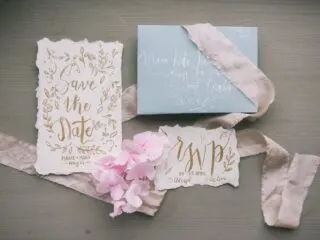
When planning an exciting event, you usually want to share the moment with others. However, you don’t want to seem overly eager or desperate in your invitation, especially if the invitee is just an acquaintance or a business partner. This is an example of when it’s appropriate to say, “You are cordially invited.” It is …


We often want to communicate a kind gesture after meeting someone, especially in more formal contexts and first introductions. One way to do so is to say, “It was a pleasure meeting you,” but is it correct? It is correct to say, “It was a pleasure meeting you,” to end formal conversations and when you …


Congratulations, you have a new job. And your former employer throws you a going away party to show appreciation for your service to the company. As former employees line up to wish you well, many say, “You will be missed.” What does that phrase mean? Is it different than saying “I will miss you”? It …


It’s evening, and you’re walking down the street to your favorite ice cream shop. You’re hoping the shop is still open, and you’re trying to glimpse the sign in the front window. Should the sign say “We are open” or “We are opened?” The correct phrase is “We are open.” It is used to show …


The grammar you choose to carry your thoughts and feelings in a conversational context can significantly affect the following interpretation. Together we will review verbiage options that convey an appropriate attitude towards an anticipated absence. “We will miss you” is the appropriate usage of the phrase. “We will miss you” clearly says the group will …