


Both spoken and written English has undergone continuous change over centuries — no more so than in its spelling. For example, is it “taught” or “tought,” and what is the past tense of “teach”? There is no such word as “tought” in common usage today. Taught is correct both as the past tense and past …


Most of us consider our lives pretty active, though is it correct to use “busier” or “more busy” when comparing ourselves to others? Busy is a relative term because some people may have more to do each day than others around them. Busier is the correct comparative adjective to use when expressing a degree of …


As we write, we sometimes find it necessary to add a little more context for the reader. Parenthetical comments are a common way to add a brief aside or more than one aside, but what do we call this? Is it “parenthesis” or “parentheses”? The main difference between “parenthesis” and “parentheses” is that of the …


The English language can be quite complex at times. Just when you think you’ve mastered a concept, something will come along that will throw doubt your way. One common source of confusion is what verb form to use after “everyone” — Is it “everyone is” or “everyone are”? “Everyone is” will be the correct choice. …


The apostrophe has three functions in English. We use it to form possessive forms of nouns, form the plurals of letters, numbers, and symbols, and show the omission of letters in contractions. Which function or functions does the apostrophe serve in “week’s” and “weeks’”? The apostrophe -s in “week’s” functions to create the possessive form …
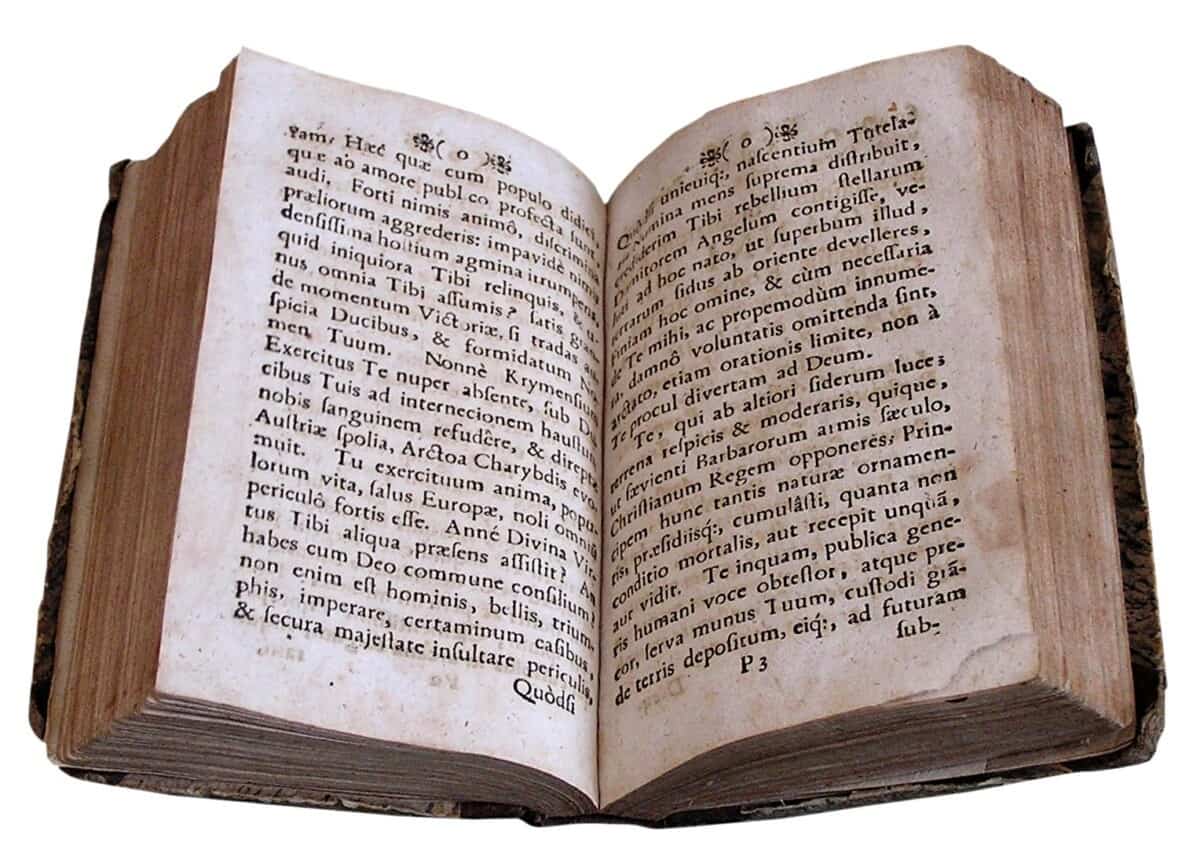
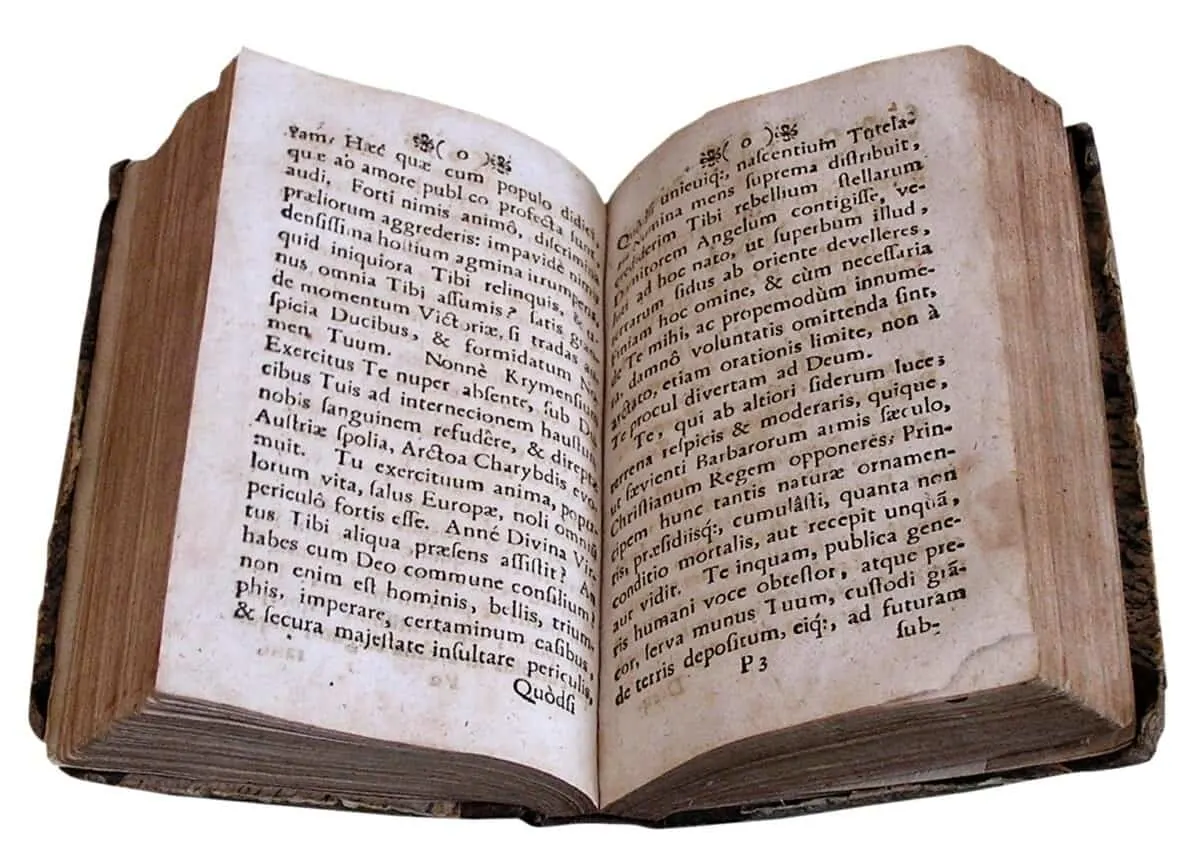
“Per se” is a Latin term that some English speakers and writers use frequently and, often, unnecessarily. Occasionally, you’ll even see someone write the term as “per say,” so what is the correct spelling and use of the term? “Per se,” is correct as it is a Latin phrase for “by itself” or “in itself,” …