
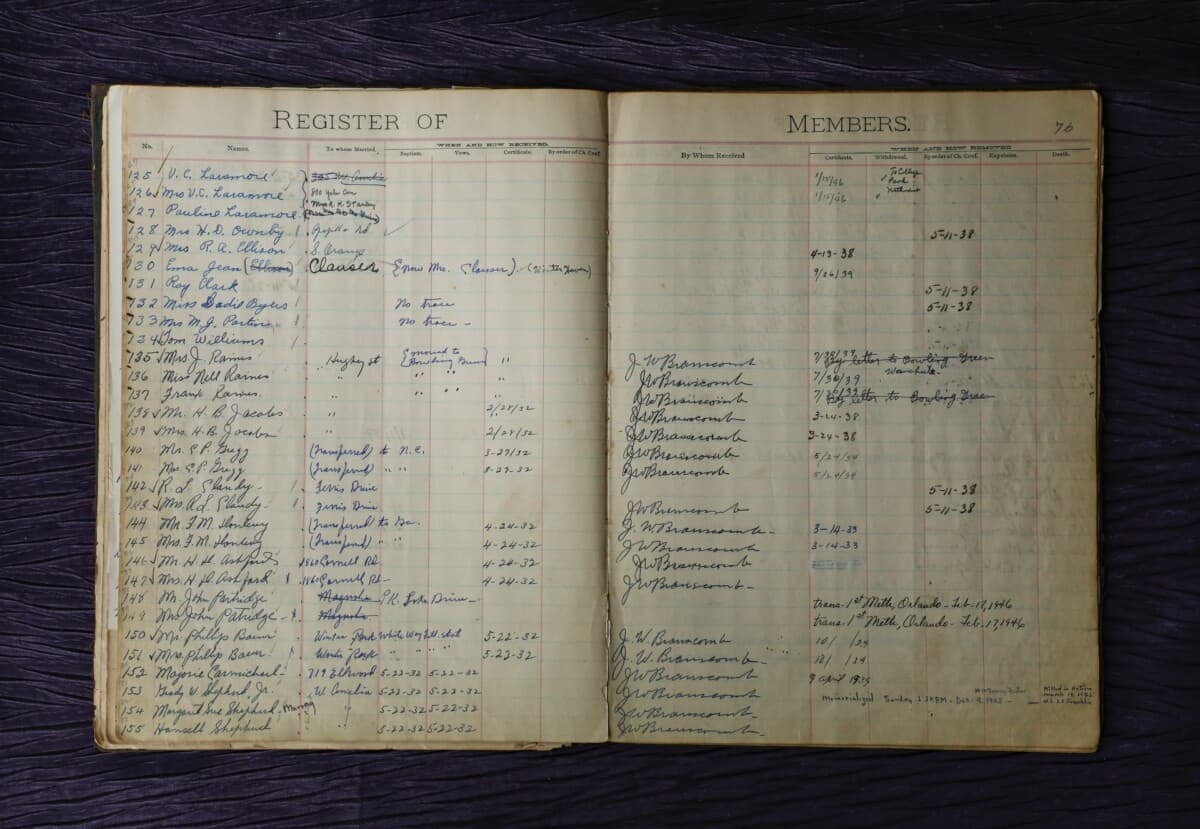
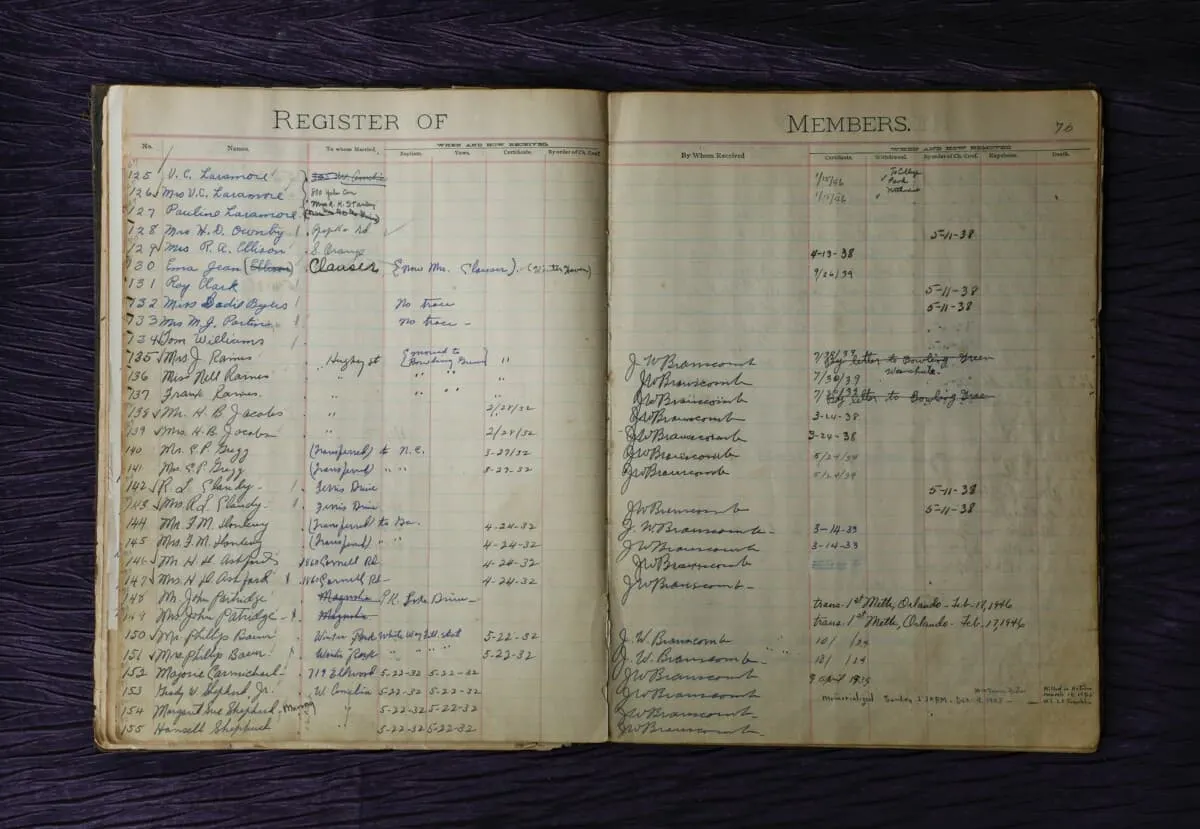
Lists play a critical role in all kinds of settings. There are lists for organizing items you need to remember, lists you can use to categorize people, places, or things, and even official lists of names in education or employment. But what are those lists called? An official list of names is often called a …


It is easy to misuse the various parts of speech in any language, especially the comparative form of adverbs and adjectives. When it comes to comparing density, which is correct: “denser” or “more dense”? Since “dense” is a one-syllable adjective, the correct form is “denser,” not more dense, according to the rules for forming comparative …


When the subject of a sentence performs an action that characterizes them, we can add either the -er or -or suffix to the verb. But how do we know which of these two suffixes to use, particularly when we want to reference the person making a request? In other words, what is the difference between …


There is a ball on the playground. Is it one kid’s ball, or does it belong to everyone on the playground? The placement of the apostrophe is key, but which is correct: “kid’s” or “kids’”? The difference between kid’s and kids’ is that when you are describing something that belongs to one “kid,” you will …


One of the best parts of investing time in a television or book series is the joy of discussing it with others — that is, until you realize that grammar Nazis are waiting to poke holes in your ideas by picking on your grammar. So when you’re talking about your favorite show, is it “this …


We’ve all heard that nothing is certain except death and taxes. Yet, despite death being inevitable, talking about it is still tricky, especially when you’re conversing with someone in mourning. When such a moment arises, is it correct to say, “Accept my condolences”? “Accept my condolences” is a common expression of sympathy. The phrase does …