


There are currently more than 171,146 words in English, a language that is continuously changing and evolving. Since the development of Old English among the 5th-century Anglo-Saxons, the globalization of English has resulted in influences from an abundance of languages and cultures. This worldliness has left its mark in many ways, including variations in word …
Academics


Both the word “clearer” and the phrase “more clear” are examples of the comparative form. The comparative form is one of three degrees of comparison in English. The correct choice is typically “clearer,” not “more clear” when using degrees of comparison. When forming the comparative, we usually add the suffix -er to words of one …


We have all heard the phrases hypothetically speaking and theoretically speaking and have even used them ourselves, but are we using them correctly? What then is the difference between hypothetically speaking and theoretically speaking? As adverbs, “hypothetically” and “theoretically” describe ways of speaking about particular assumptions or larger principles for the sake of discussion or …


Prepositions are words or groups of words we use before a noun, pronoun, or noun phrase to show time, direction, place or location, spatial relationships, or to introduce an object. Prepositions examples include words like “on,” “in,” “at,” and “to,” but which do we use to refer to a website? The correct usage is “on …


“Happen” is a regular, much-used verb that most English students will discover early in their language journey. It is an active, intransitive verb, and knowing how to use it in all its tenses is important for fluency. When asking what has occurred in the past, we say, “What happened?” If we were to ask what …

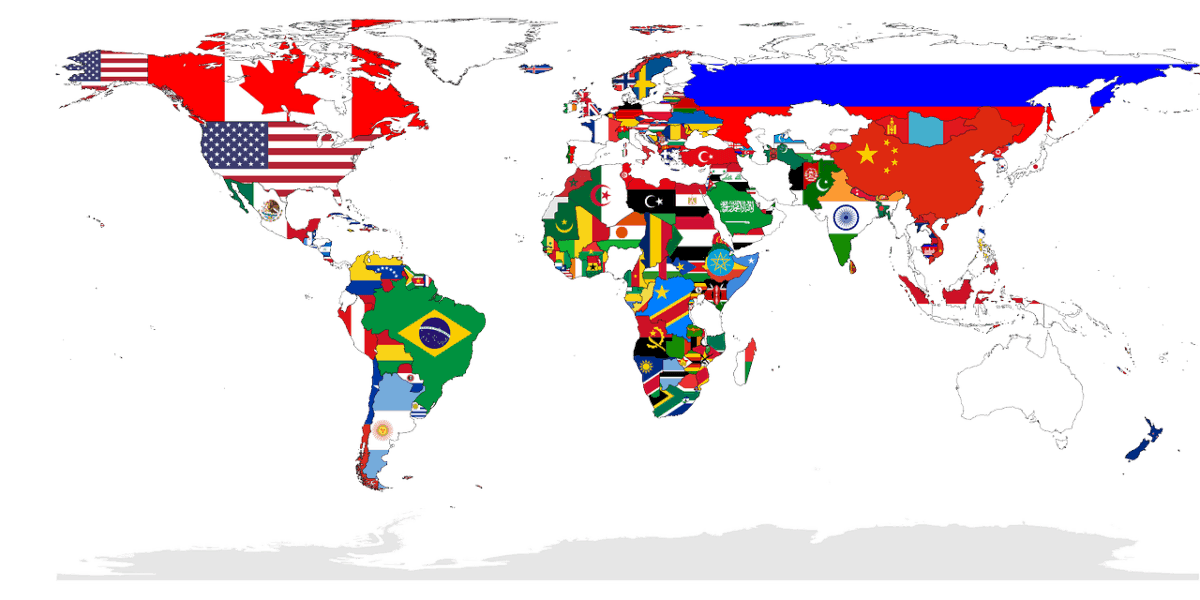
While globalization has brought various challenges to nations or countries since the 1990s, the bonds of common culture, values, and family remain strong in many such nations. We often use the terms “country” and “nation” interchangeably, but have you ever wondered what the difference between a country and a nation is? The expressions “country” and …