


English is full of grammar rules that make the language so interesting and sometimes frustrating to learn for second language learners. One such rule is that of verb moods and whether we should say, “if that were true” or “if that was true.” When writing about hypothetical or non-realistic situations, the subjunctive “if that were …
Academics


In nearly every language, there are multiple words with similar meanings, but often those same words carry a different connotative interpretation or level of formality. Choosing the right one isn’t always easy, like when to use “start” or “begin.” “Start” is more appropriate for referring to machines or in business. “Begin” is more formal than …


You are working on a writing assignment, and you get to a sentence where you feel the word “rather” would work nicely at the start. You hesitate, trying to recall your past lessons about “rather” in English class, but you can’t remember. Can you start a sentence with “rather”? A sentence can be started with …
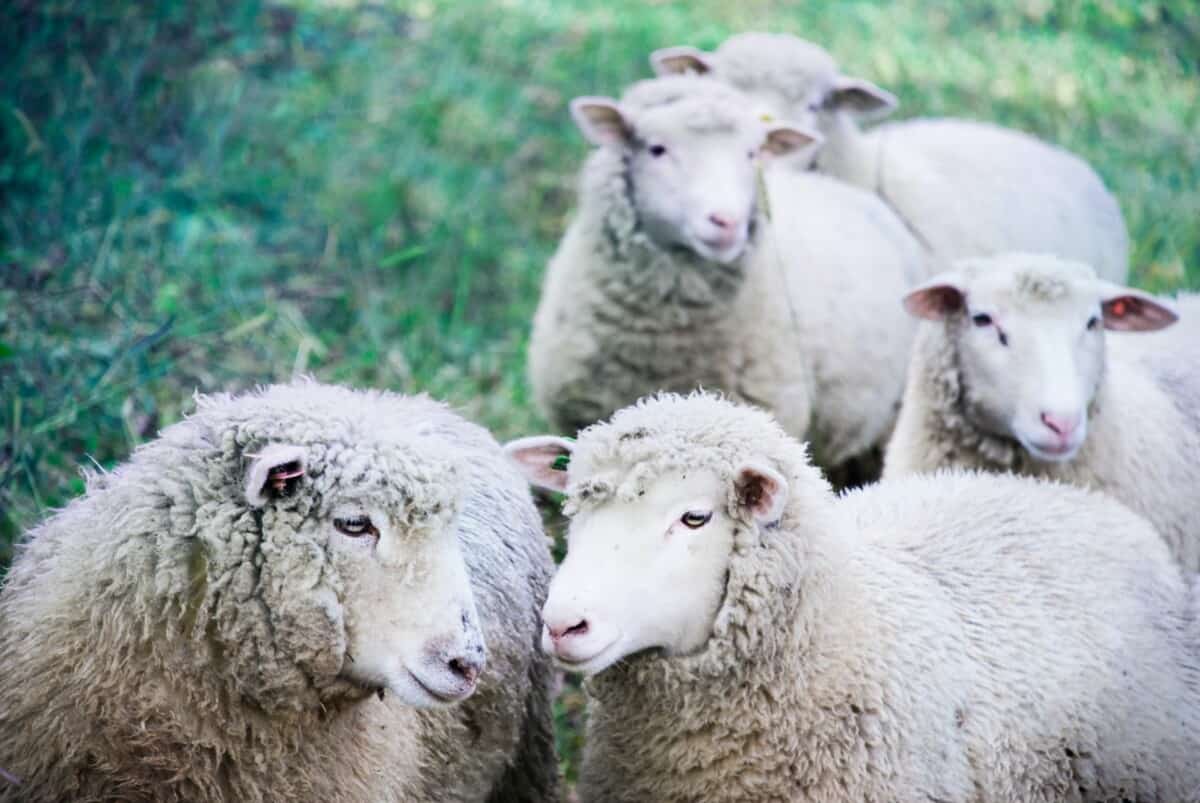
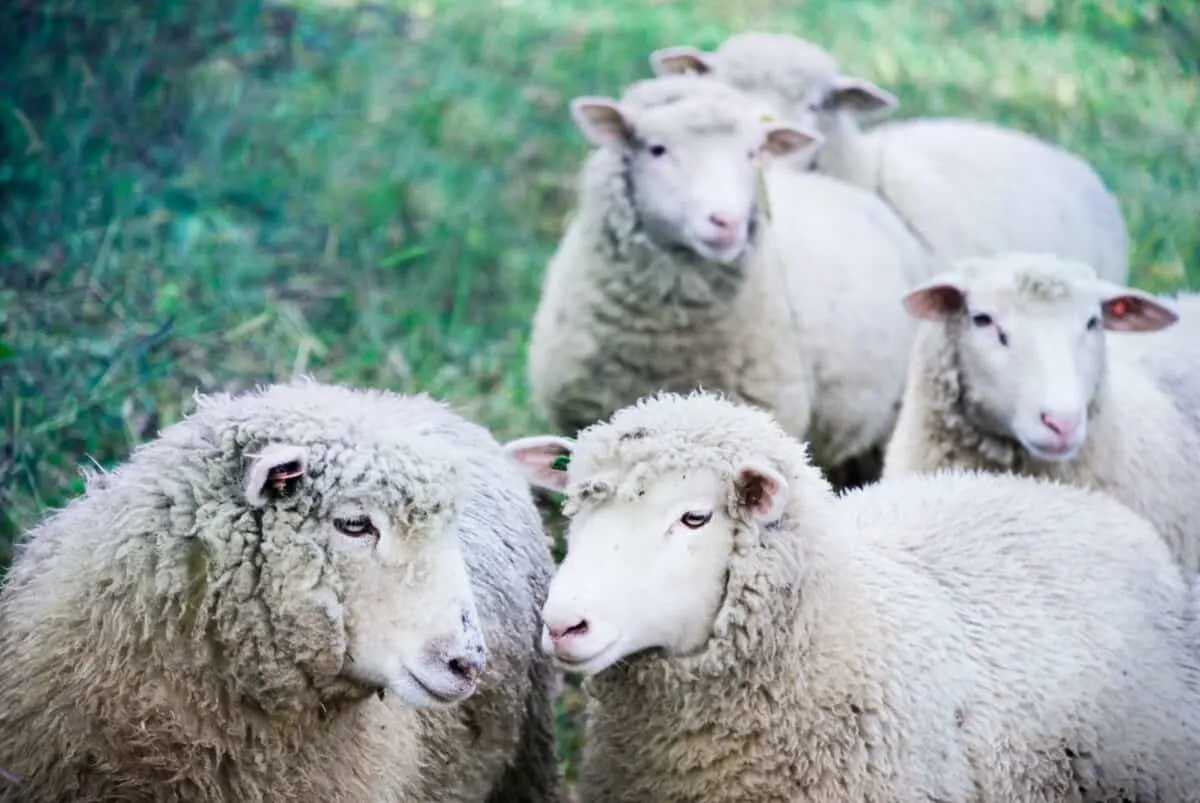
Some words always stump us when it comes to their plurals, and we are not sure if we should add the letter “s” to it like with most plurals or apply a different rule to that noun. One such word is “sheep,” so is it correct to say “sheeps” when we talk about more than …


For English language learners, it is sometimes difficult to grasp all the different meanings when words have more than one definition, and “tomorrow” is such a word. So, naturally, they often wonder what someone means by “tomorrow” and how they can use the word in all its different roles. We often use “by tomorrow” to …


A diamond is a stone of “good quality.” Perseverance is a “quality” we want at this company. While these two sentences share similar wording, appearances can be deceiving, so what is the difference between quality, good quality, and high quality? “Quality” as a noun is a characteristic or attribute that you can see as good …